Hello, Everyone.
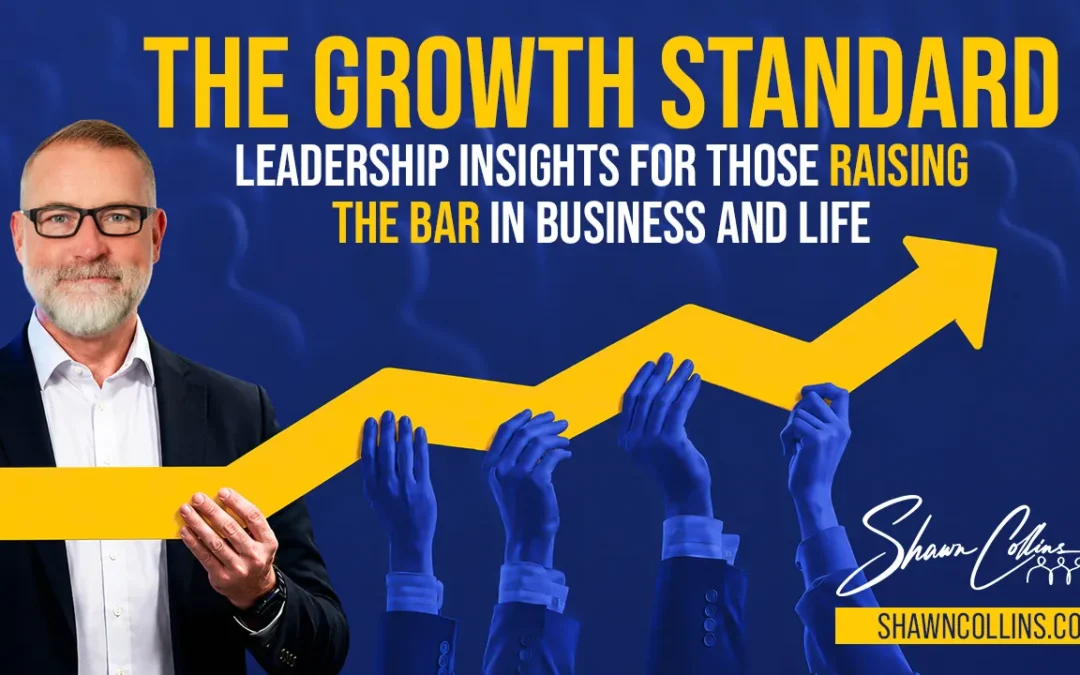
Welcome back to The Growth Standard, one clear leadership standard you can put to work this week.
This week’s focus is simple and uncomfortable:
What if the strength you need next is hiding on the other side of the pressure you keep trying to avoid?
In this week’s quote article, Develop True Strength: Make Resilience Your Second Nature, I wrote that you will never know your true strength as a leader until pushing past your breaking point becomes second nature. Not drama. Not burnout. A settled decision that your first limit will not define you. True strength is staying clear, calm, and anchored in your values when everything around you feels stretched.
This week I am widening the frame. Resilience is not only personal. It is cultural. It is economic. It is operational. When leaders crack under pressure, teams feel it. When managers stay reactive, turnover rises. When culture frays, the customer experience wobbles and the brand tells on you. That is why I am integrating the Retention = Attraction™ work and the First Domino mindset into this issue.
Resilience That Holds Under Pressure

In Develop True Strength: Make Resilience Your Second Nature, I draw a line between real strength and the kind of pressure most leaders try to pass off as strength. You can raise your voice, tighten deadlines, and push harder. That is not resilience. That is pressure without purpose.
Real strength is your ability to stay anchored when the pressure is real. Cash is tight. Talent is thin. Conflict is high. Expectations are piling up. And you still choose character over convenience.
In that article, I break true strength into three layers. Mental toughness keeps you focused on what matters instead of reacting to frustration. Resilience lets you absorb the hit, learn from it, and stand back up without losing your sense of calling. Adaptability helps you realign strategy while keeping your values intact. When those three work together, pressure stops being a threat to your identity and starts becoming part of your formation.
One of the strongest reminders for me is this: your breaking point is not weakness. It is the line where your current habits can no longer carry what your calling now requires. If you keep calling every strain “just a busy season,” you miss the warning lights. Resentment. Delayed decisions. Withdrawal. A team that starts mirroring your stress with silence, sarcasm, or passivity. Those are not random moods. They are signs that growth is overdue.
What I am taking from this article right now is simple. Resilience does not grow through heroic speeches or one big breakthrough. It grows through small, repeatable rhythms that make clarity more normal than chaos.
The Cost Of Turnover Is Bigger Than Most Leaders Admit

If resilience is personal, retention proves it is also cultural.
In What Turnover Is Really Costing Owner-Led Companies in 2026, I wrote about the way most owners actually experience turnover. Not as a spreadsheet line. As late nights. Stretched managers. Delayed projects. Inconsistent customer experience. Profit that never quite matches the opportunity in front of them.
That is why I keep saying retention is not an HR side issue. It is a leadership issue.
When expectations are fuzzy, communication is uneven, and managers are reactive, turnover becomes predictable. People do not just leave paychecks. They leave experiences. They leave confusion. They leave inconsistency. They leave cultures where pressure keeps flowing downstream with no real system to absorb it.
This is where the Retention = Attraction™ lens matters. If you build an employee experience that helps the right people stay, you are usually building the same kind of experience that attracts stronger talent and earns more trust with customers. Retention is not separate from growth. It is one of the clearest indicators of whether the culture is healthy enough to sustain growth.
The First Domino
This is the mindset I want to name more clearly from here forward.
Every organization runs on connected systems. Leadership shapes culture. Culture shapes employee experience. Employee experience shapes customer experience. Customer experience shapes brand trust. Marketing and recruiting only amplify what is already true.
That means resilience is not a private virtue. It is upstream leadership work.
If I lead myself poorly, culture absorbs it. If culture absorbs it, employees feel confusion, friction, and inconsistency. If employees live with that long enough, people leave, customers notice, and brand promises weaken. That is why I call this the First Domino mindset. Stop obsessing over the last domino when the first one keeps falling the same way.
This week, the first domino is resilience. If I do not build strength, clarity, and steadiness into my own leadership, I should not be surprised when instability shows up everywhere else.
How These Ideas Work Together
Develop True Strength: Make Resilience Your Second Nature reminds me that I cannot keep leading from the edge of burnout and call that strength.
What Turnover Is Really Costing Owner-Led Companies in 2026 reminds me that the pressure I fail to process will eventually show up in churn, inconsistency, and lost trust.
The First Domino mindset reminds me that leadership habits are never isolated. The way I carry pressure becomes part of my team’s normal.
That is the point of this week’s issue. Resilience is not just about surviving hard things. It is about leading in a way that strengthens everything downstream.
This Week’s Reflection Questions
Here are a few questions I am sitting with this week:
- Where am I calling something a busy season when it is really a sign my habits need to change?
- What pressure pattern in me is my team already feeling?
- Where is turnover or disengagement trying to tell me something about leadership, not just staffing?
- Which domino am I pushing right now, the last one or the first one?
- What would change if I treated resilience as a culture issue, not just a personal one?
This Week’s Leadership Moves
If you want to move this from reflection to practice, here are four simple moves you can run this week:
- Name your edge. Identify one signal that tells you you are near your breaking point. Call it what it is.
- Audit one churn cluster. Look at where turnover, friction, or repeated confusion is concentrating. Ask what leadership or culture issue is sitting underneath it.
- Choose one resilience rhythm. Start a daily clarity check, an end-of-day review, or a reset ritual between work and home. Keep it simple.
- Strengthen the first domino. In one meeting this week, stop trying to fix the downstream symptom and ask what leadership habit, cultural norm, or manager behavior needs attention first.
Upcoming Lunch And Learn: It Begins With You, Leading Yourself First

If this week’s theme hits home, the next Culture First Leadership Series workshop is built for exactly this work.
It Begins With You, Leading Yourself First is now on Zoom, which makes it even easier to join from wherever you are. This session is designed to help leaders spot their pressure patterns and lead themselves first. We will work on identifying strengths, weaknesses, and pressure tendencies, using the Leader Mirror to reduce blind spots, and building a simple self-leadership routine you can actually sustain.
If you have been feeling reactive under pressure, stepping into broader responsibility, or noticing the same leadership patterns show up again and again, this session is for you.
Closing Thought
You do not build true strength by avoiding your edge. You build it by learning what pressure is trying to teach you and by refusing to let that pressure define the culture around you.
You will never know your true strength until pushing past your breaking point becomes second nature.
Not burnout. Not bravado. Steady leadership that strengthens the first domino.
Leadership is stewardship, not status.